Global Chapters
Explore our Global Chapters through an interactive map of ten cities, each anchored by an often overlooked narrative shaped by its local histories and narrative infrastructures. Click any city to read the chapter and enter its archive. We also invite you to extend this cartography of experience. Submit your story to help build a growing digital archive where each city holds a distinct voice.
Ten Cities
-
![Connecticut]()
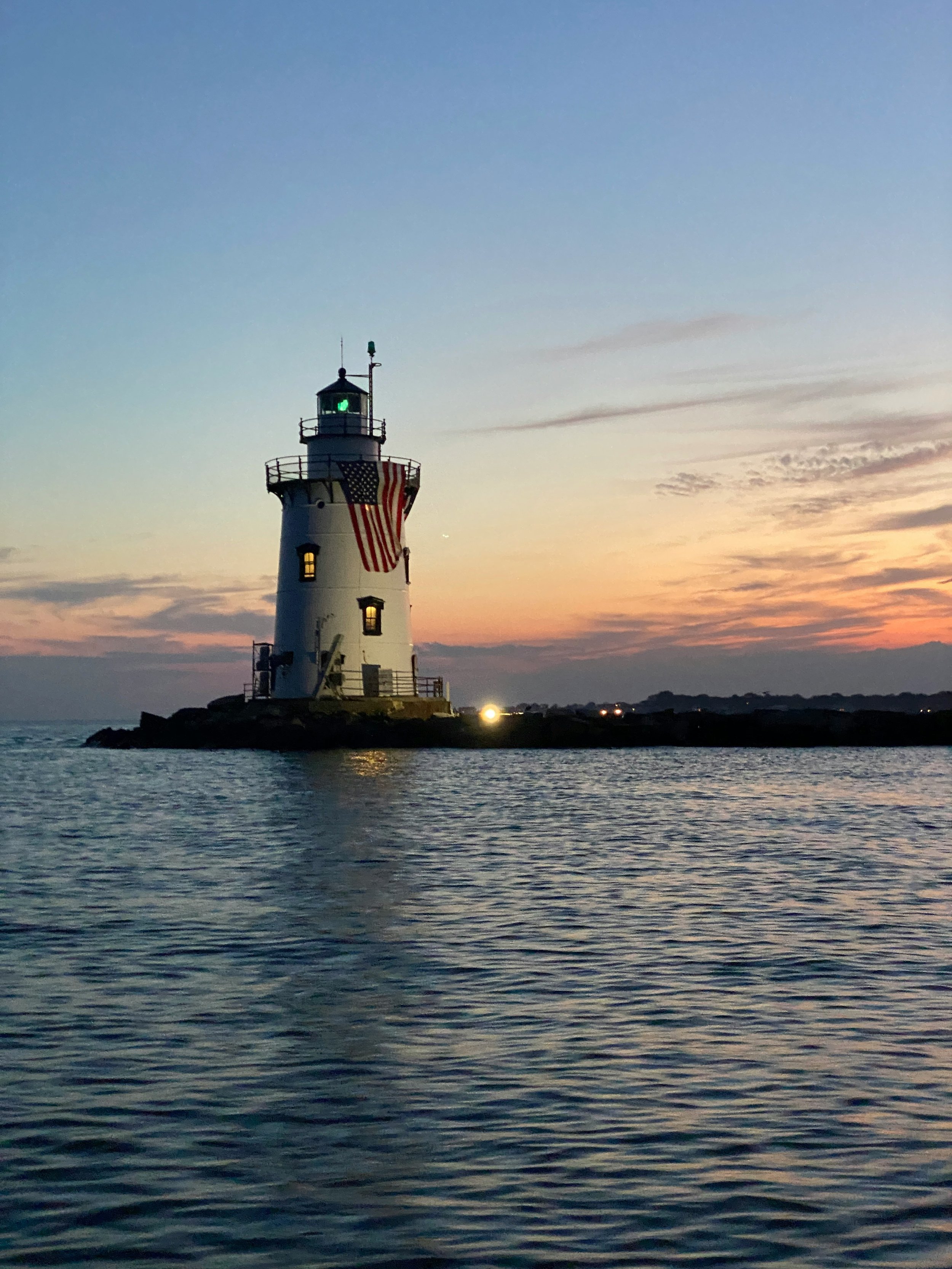
Connecticut
Sophia Wu
I represent Farmington because, as a student studying here, I have personally uncovered the city’s legacy as a vital sanctuary for the Underground Railroad and the birthplace of American deaf education.I am excavating the "unspoken narrative" of historical sanctuaries—from abolitionist safe houses hidden in school dorms to archives of marginalized communities—that have been eclipsed by official records. My research reconstructs how Farmington acted as a moral nexus for those fleeing systemic erasure, bridging the gap between historical silence and the lived reality of the oppressed. I seek to spotlight how these local, "small" histories served as global precursors to modern human rights movements.
This project matters because it demonstrates that the "grammar of power" can be subverted by ordinary spaces and nameless actors who choose inclusion over exclusion. By reclaiming these narratives, we validate the humanistic value of those history attempted to leave behind and inspire current generations to recognize the moral potential of their own backyards.
-
![]()
San Francisco
Kayla Chen
I represent San Francisco because, as a second-generation immigrant, I am dedicated to defending the ethnic enclaves whose history of perseverance is currently being erased by the tide of tech-driven gentrification.
I am focusing on the "linguistic eviction" of immigrant hubs like Chinatown and the Mission District, where historic solidarity is being replaced by corporate expansion and "trendy" news cycles. I want to immortalize the intertwined stories of these neighborhoods—from 1906's reconstruction to today’s AI-driven rent spikes—to protect their right to "citizenship" in the American memory. This project is a race against time to preserve the "hyphenated American" culture before its physical remnants are entirely usurped.
This project is vital because these enclaves are living testaments to the resilience that made modern America possible. If we allow their narratives to be buried under tech-sector dominance, we lose the very history that defines the city as a place for new beginnings.
-
![]()
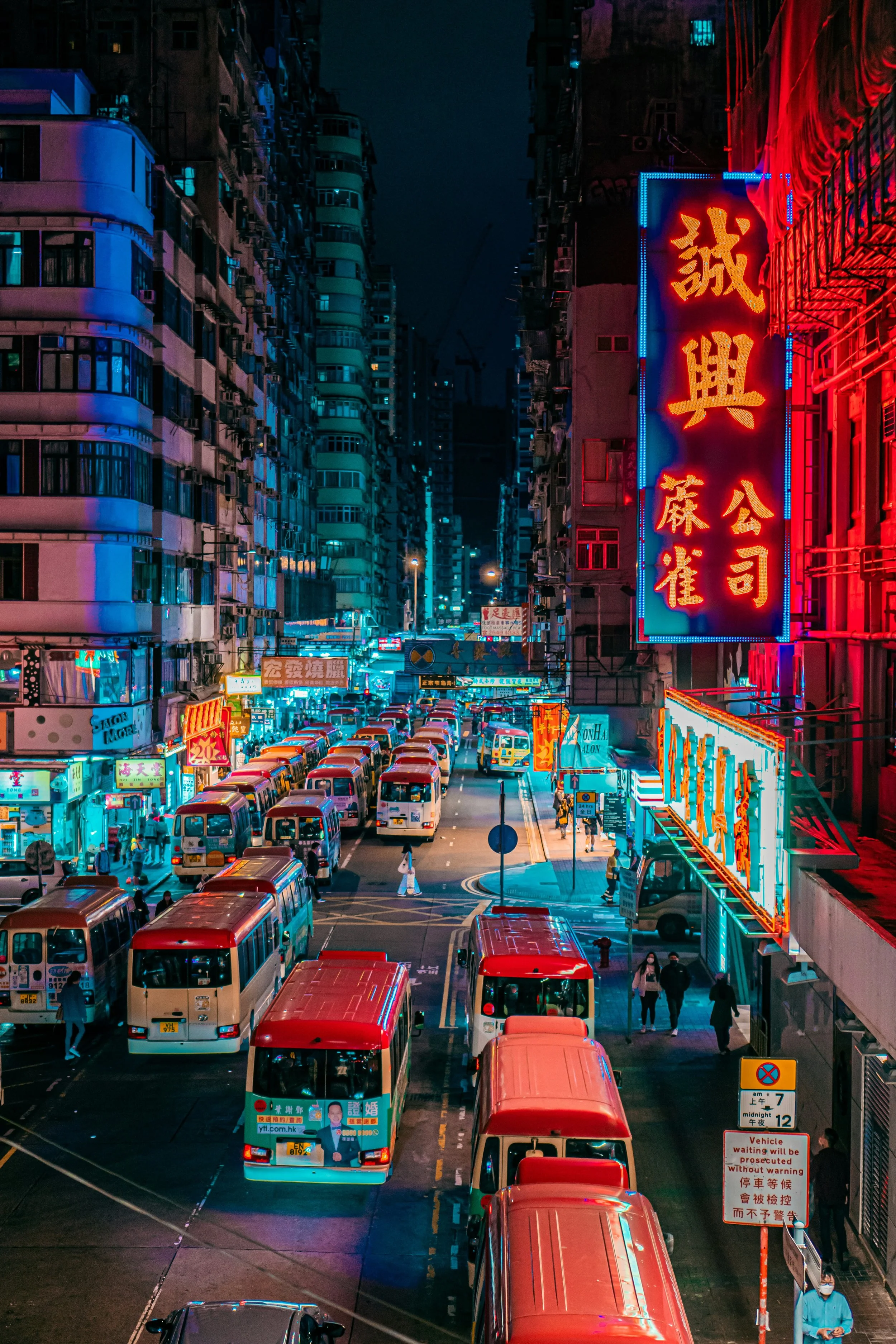
Hong Kong
Paris Wang
I represent Hong Kong because it is the city where I first recognized the profound gap between a global crossroads' outward prosperity and the private realities of its marginalized labor force.
I am documenting the emotional and cultural legacy of migrant domestic workers who form the backbone of Hong Kong’s households yet are excluded from the city’s narrative of belonging. I aim to reveal the paradox of their lives: being deeply woven into the intimate life of families while navigating transnational loneliness and systemic invisibility. By recording their stories of sacrifice and resilience, I am performing an act of narrative justice for those history treats as mere economic units.
This story matters because the dignity of over 300,000 workers should not be proven only through tragic disasters but recognized through their daily human presence. Restoring their narrative agency is essential to repairing the moral fabric of a cosmopolitan society.
-
![]()
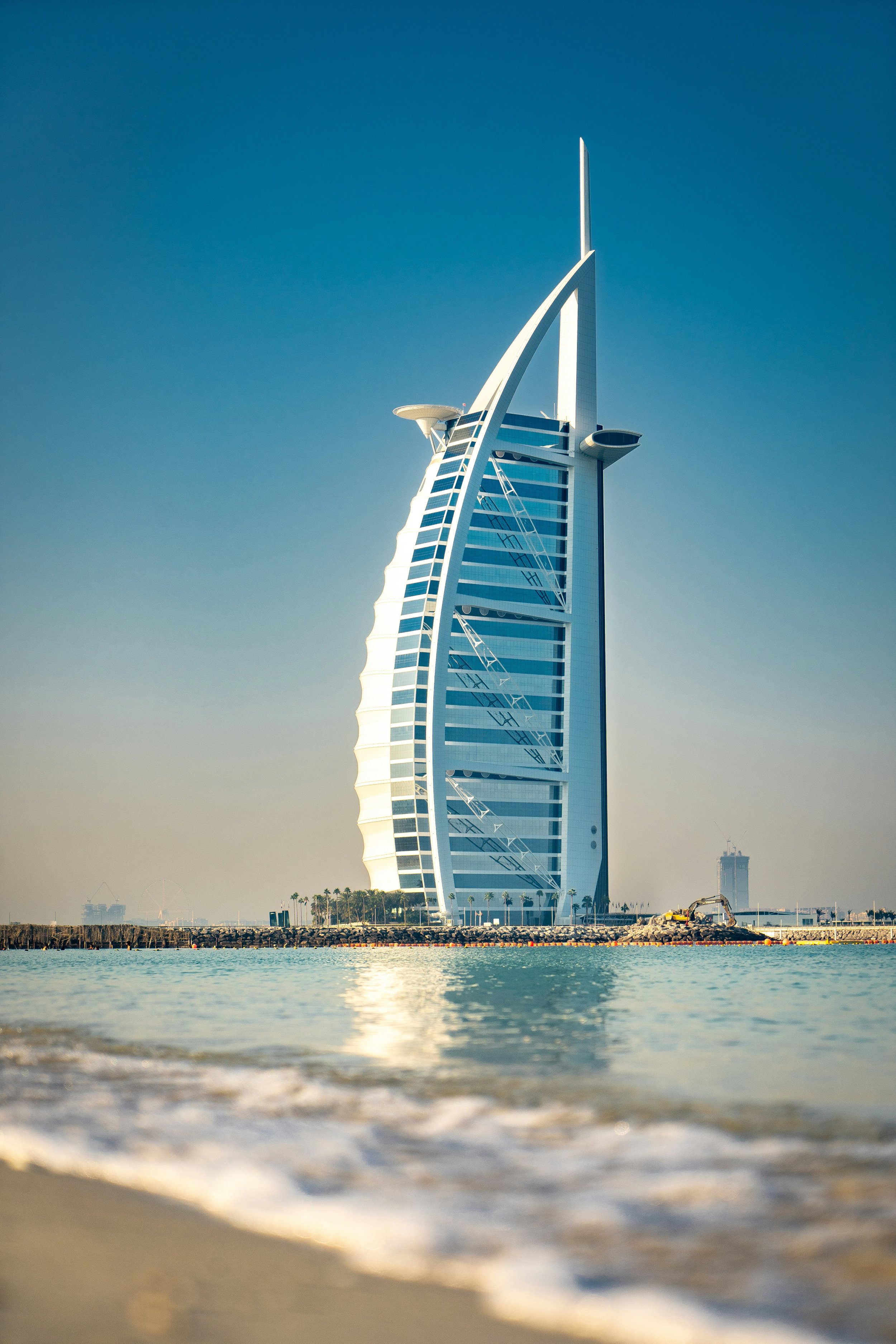
Dubai
Liu Yuhan
I represent Dubai because this global epicenter has nurtured my empathy and taught me how cultural integration can be transformed into a collective global strength.I want to look beneath the city’s glamorous facade to capture the holistic narratives of elder residents, immigrant workers, and youth who shape Dubai’s "precious heart." While the world sees tourist attractions, I see a community maintained by immigrants whose individual ambitions and cultural traditions are the irreplaceable gears of this global hub. I am documenting the warmth of human connection that policy often fails to describe.
This story matters because it epitomizes the breakthrough of global connections, highlighting a future where cultural tolerance is a lived reality rather than an abstract ideal. It proves that the world's future is culturally integrated and interdependent.
-
![]()
Vancouver
Lucy Meng
I represent Vancouver because it is a city defined by the dual forces of ancient Indigenous presence and constant immigrant arrival—histories that rarely meet in official textbooks.
I explore the "unspoken narrative" of fading living memory at the intersection of Indigenous oral traditions and the migration stories of families like my own. I seek to record how both groups carry fragile legacies of resilience that risk disappearing under a dominant narrative of urban development and modernity. My work follows Cicero’s belief that storytelling is a form of justice that grants visibility to lives history might otherwise overlook.
This story matters because the loss of language and oral history is a crisis of national memory that is happening in real-time. By documenting these narratives, we create a shared moral space where Indigenous and immigrant experiences are recognized as the city’s true foundation.
-
![]()
Washington D.C.
Angela Yan
I represent Washington D.C. because my upbringing among its grand monuments has compelled me to look beneath the capital's facade to find the human labor that sustains our democratic ideals.
I explore the narrative of "invisible civic labor"—the archivists, librarians, and federal service workers who maintain the ethical and functional life of democracy without public recognition. While D.C. is celebrated as a city of visible power and policymakers, these individuals are the true "poets" of the state who safeguard our national memory. I am documenting their daily rituals as a form of moral citizenship that exists beyond the spectacle of political authority.
This story matters because a republic that honors only visible power while ignoring its foundational laborers undermines its own moral soul. By centering these excluded voices, we reconcile democratic ideals with human experience and ensure that citizenship remains grounded in contribution rather than status alone.
-
![]()
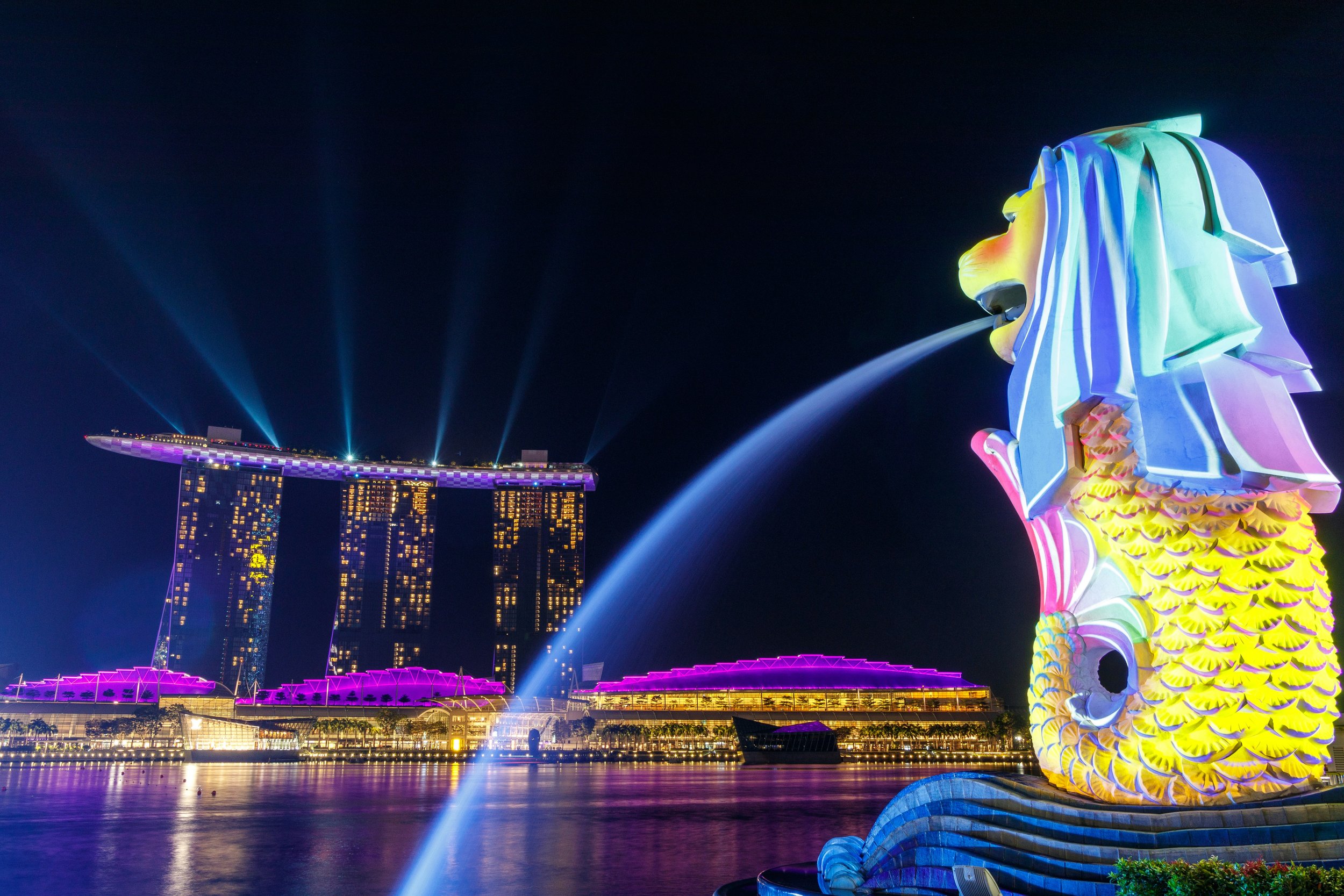
Singapore
Yvonne Chen
I represent Singapore because my multicultural heritage and experiences in this immigrant-driven city-state have taught me that community resilience is built on the solidarity of the unnoticed.
I am investigating the humanitarian narrative behind Singapore’s fifty-year battle with dengue, shifting focus from cold government statistics to the unrecognized labor of community health volunteers and cleaners. I want to highlight the "civic responsibility" of everyday citizens whose rapid adaptation to urban environmental crises serves as the city’s true immune system. My work spotlight the underappreciated laborers who, like Cicero’s Archias, contribute to the state’s well-being through communal commitment rather than formal authority.
This story is significant because it proves that a modern city’s survival depends not just on policy, but on a shared, lived ethics of collective responsibility. It challenges the exclusion of ordinary humanitarian efforts from the narrative of national success.
-
![]()
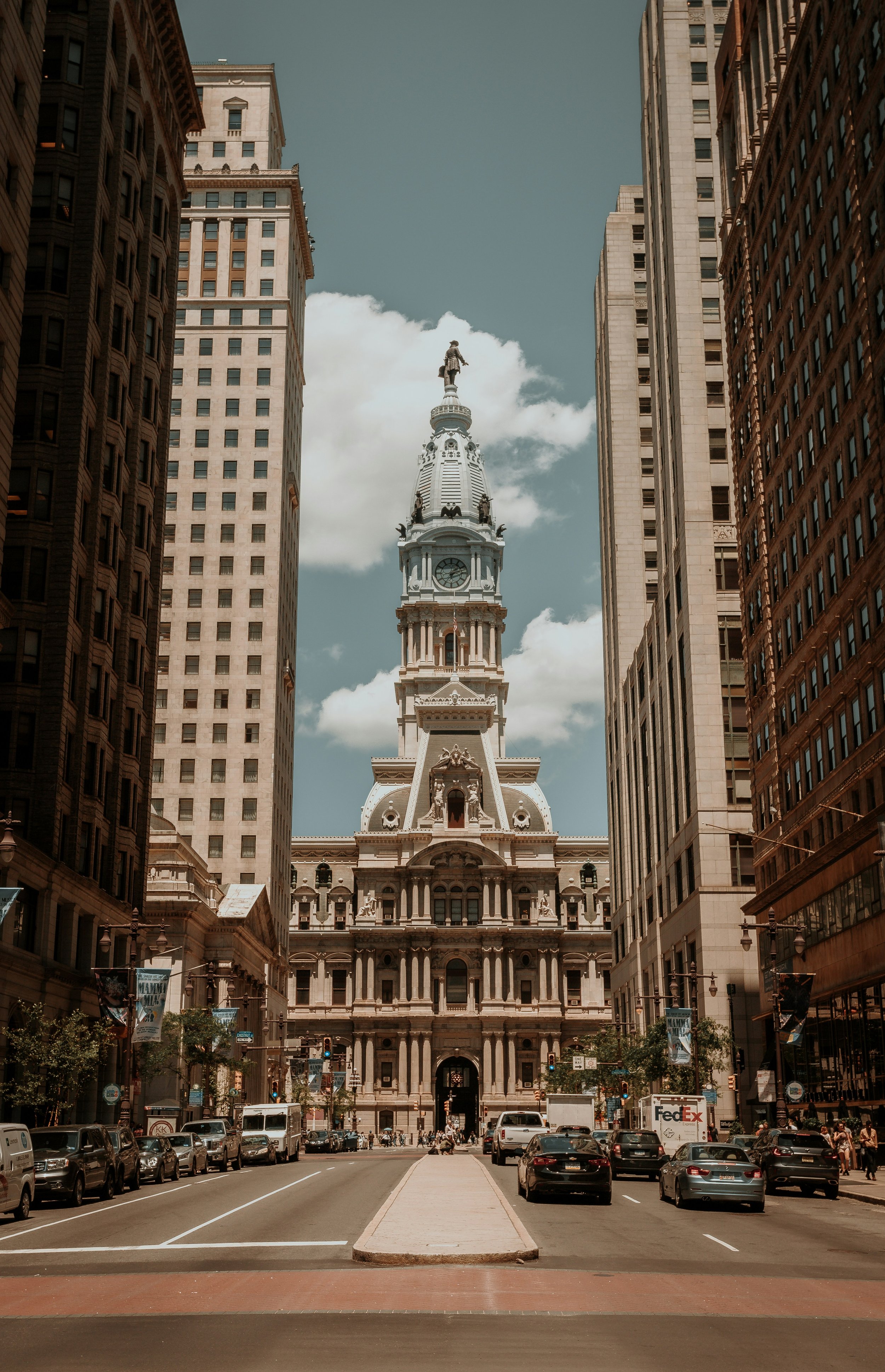
Philadelphia
Frank Xu
I represent Pottstown because I witness daily the "unspoken resilience" of a community navigating life in the shadow of industrial decline and economic disinvestment.
I am uncovering the stories of women and residents of color who sustain local life and memory even after the collapse of the steel and iron industries that once defined the town. Using the lens of a historic, woman-owned local business, I am exploring how marginalized labor is often excluded from the narrative of "progress" and prosperity. My research interrogates whose history is deemed worth preserving when a community's economic glory days have passed.
This story matters because it challenges the focus on industrial booms and busts by valuing the resilient individuals who keep daily life functioning. It reminds us that every voice matters in building an inclusive future for towns history has tried to "turn the page" on.
-
![]()
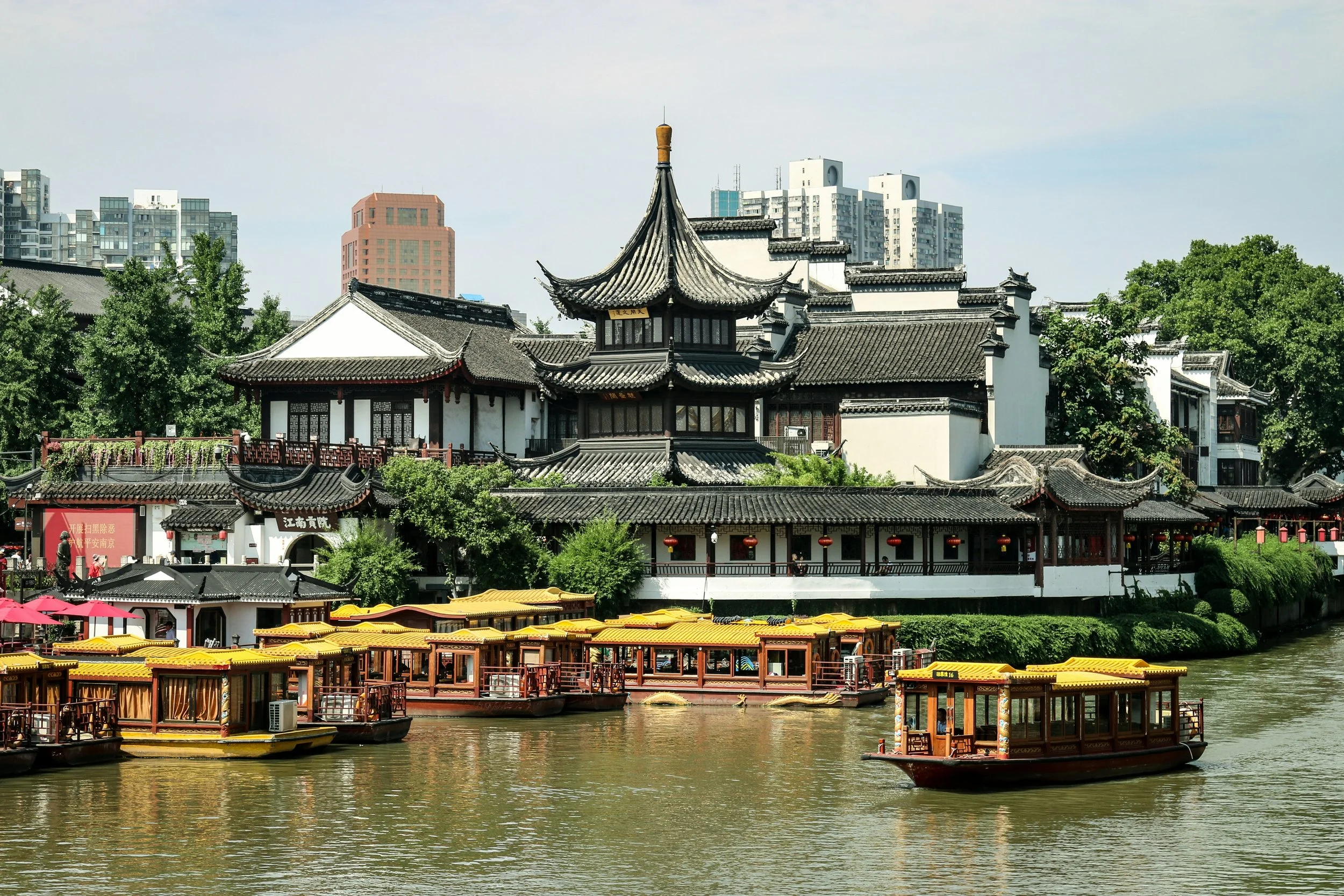
Nanjing
Gabi Ping Guo
I represent Nanjing because my connection to this city is a "living archive" shaped by my grandparents’ memories and my work with the elderly in old neighborhoods.
I want to explore how ordinary citizens preserve "moral memory" through quiet testimonies of wartime trauma, the Cultural Revolution, and rapid modernization—narratives that rarely enter official textbooks. I am defending these overlooked storytellers whose lived experiences form a parallel archive that keeps the city’s conscience alive. Like Cicero, I aim to show that these fragile, human stories are indispensable to a community’s identity and virtue.
This story matters because how a community remembers its past directly shapes the moral aware citizenry of its future. Capturing these personal stories before they are lost to time ensures that resilience and ethical reflection remain central to our civic identity.
-
![]()
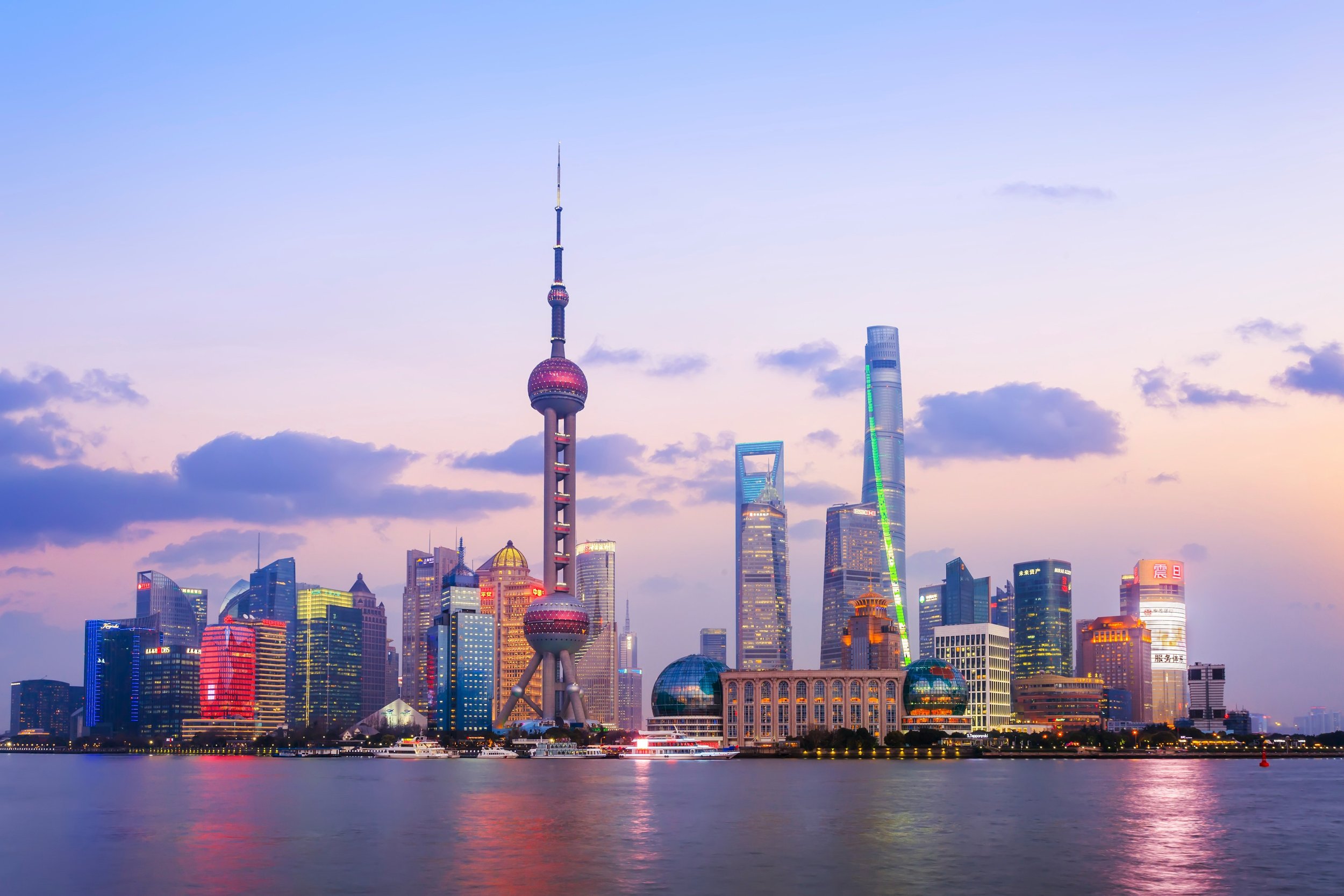
Shanghai
Hannah Li
I represent Shanghai because I am motivated to reveal how the city’s economically developed image overshadows the systematic exclusion of over five million migrant workers.
I am exploring how the hukou system and gender norms create a narrative of exclusion for new-generation female migrant workers, who are torn between urban labor and maternal roles. I want to trace their downward shift from relative autonomy to the dilemmas of family division caused by a lack of access to public education and social welfare. My research justifies the need for systemic reform by addressing the legal and ethical injustices faced by those who fuel the city’s growth.
This story matters because female migrant workers are a unique demographic whose hardships are often ignored in generalized research, leading to inapplicable policies. Their experiences serve as a mirror through which we can observe the social and structural inequalities of rapid urbanization.